
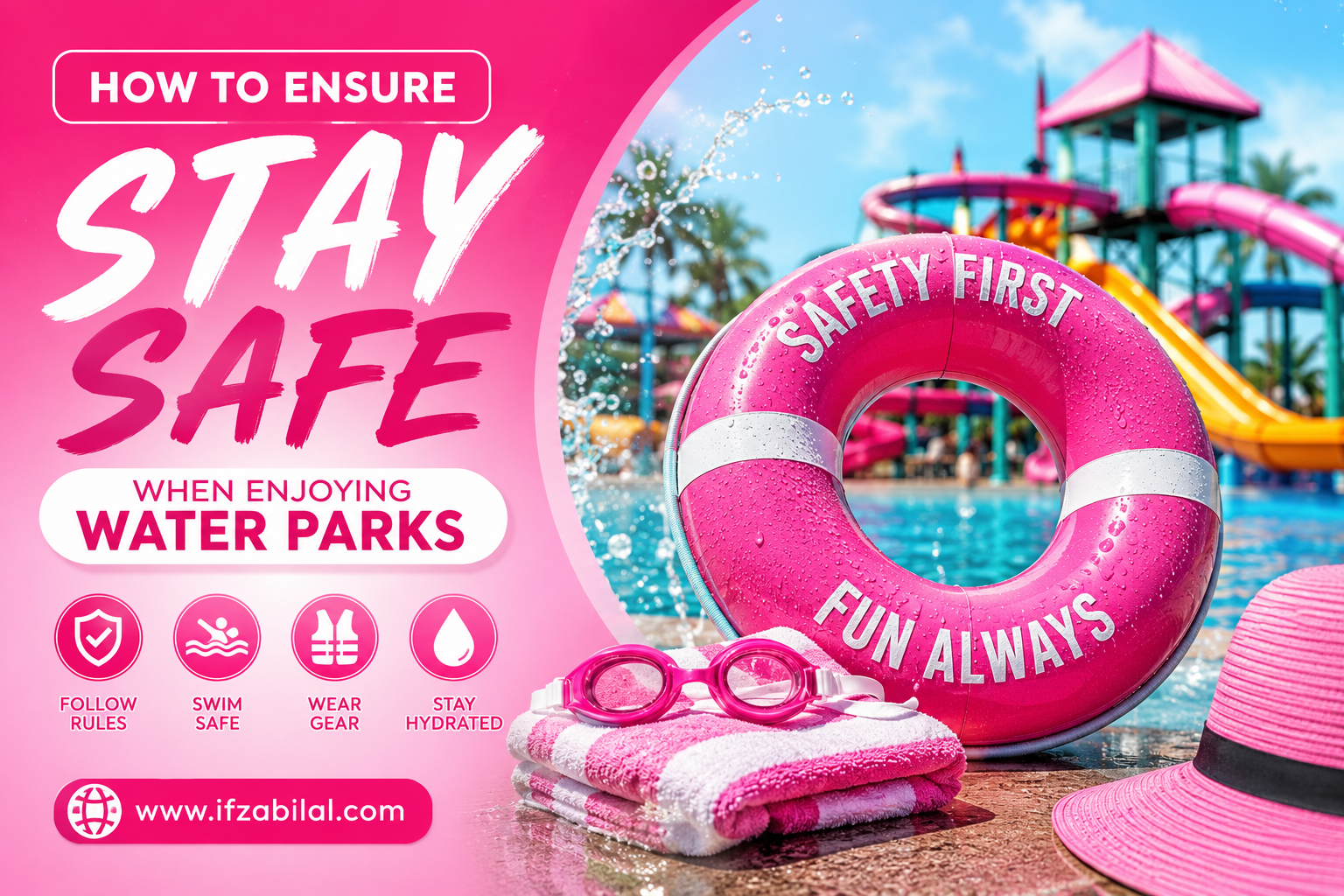
Introduction: Why Water Park Safety Is Not Optional Anymore
Water parks are designed for fun, thrill, and family enjoyment, but beneath the excitement lies a reality most visitors underestimate: slips, dehydration, crowd-related injuries, poor supervision, and hidden hygiene risks can turn a perfect day into a serious emergency within seconds.
In 2026, with increasing crowd sizes, faster rides, and higher temperatures across many regions, safety awareness is no longer optional—it is essential. This guide is designed to help you enjoy every moment while actively protecting yourself and your loved ones.
1. Understand the Risks Before You Enter the Water Park
Most accidents don’t happen on rides—they happen before or after them.
Common overlooked risks include:
- Wet and slippery walking surfaces
- Overcrowded pools causing accidental collisions
- Lack of awareness about ride safety instructions
- Heat exhaustion while waiting in queues
- Poor hydration habits during long visits
Awareness is your first layer of protection. A prepared visitor is a safer visitor.
2. Follow Ride Instructions Without Exceptions
Every water slide and attraction has safety rules for a reason. Ignoring them is one of the top causes of injury.
Critical rules you should never ignore:
- Height and weight restrictions are not suggestions
- Always keep arms and legs in safe positions during rides
- Never stop midway on slides
- Follow lifeguard signals immediately
Even experienced swimmers can get injured when they assume they “know better.”
3. Hydration and Heat Management Can Save Your Day
Water parks often create a false sense of cooling because you are surrounded by water. In reality, dehydration still happens quickly.
To stay safe:
- Drink water every 30–45 minutes
- Take shade breaks regularly
- Avoid excessive sun exposure during peak hours (11 am–3 pm)
- Wear light, breathable swimwear
Heat exhaustion is one of the most common hidden dangers in outdoor water parks.
4. Never Ignore Supervision Rules for Children
Children are at higher risk in crowded water environments.
Essential safety practices:
- Always assign one responsible adult per child group
- Use bright swimwear for easy visibility
- Keep children within arm’s reach in pools
- Teach them basic signals for help
Most water park incidents involving children occur due to momentary distraction.
5. Footwear and Movement Safety Matters More Than You Think
Slips and falls are among the most reported injuries in water parks.
Protect yourself by:
- Wearing anti-slip water shoes where allowed
- Walking slowly on wet tiles
- Avoiding running, even in open areas
- Using handrails on stairs and ramps
One careless step can ruin an entire trip.
6. Hygiene Awareness Protects You from Invisible Risks
Water parks are shared environments, meaning hygiene control is crucial.
Smart habits include:
- Showering before entering pools
- Avoiding swallowing pool water
- Using protective goggles in crowded pools
- Washing hands before eating
This reduces exposure to bacteria and waterborne irritations.
7. Know Emergency Procedures Before You Need Them
Many visitors only look for exits when something goes wrong.
Before starting your day:
- Identify lifeguard stations
- Know the location of first aid points
- Save emergency contact numbers if available
- Choose a meeting point for your group
Preparedness reduces panic during unexpected situations.
8. Avoid Risky Behavior and Overconfidence
The biggest danger in water parks is not lack of rules—it is overconfidence.
Avoid:
- Racing on slides
- Pushing in queues
- Diving into shallow pools
- Ignoring fatigue signals from your body
Fun should never come at the cost of safety.
Conclusion: Safe Fun Is the Best Kind of Fun
A water park visit should be memorable for joy, not for accidents or regrets. By following structured safety habits, staying aware of your surroundings, and respecting park rules, you dramatically reduce risks and increase enjoyment.
Safety is not about limiting fun—it is about protecting it.